






















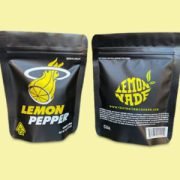

















This mylar bag size guide matches product weight to bag dimensions, from a 1 gram sample pouch to a 5 gallon food storage bag. Mylar bags are sold by width and height in inches, but most people think in grams, ounces and pounds. The link between the two is product density, the bottom gusset and the space the zipper takes. I wrote this guide because I see the same sizing questions every week, and one wrong size often means a full reprint. Below you get the mylar bag size chart, the measuring rules and the food storage sizes with oxygen absorbers.
How Does a Mylar Bag Size Guide Pick the Right Size?
A mylar bag size guide picks the smallest bag that holds your fill weight with about 1 inch of headspace under the zipper. The mylar bag size guide gives you the starting point by weight, and product density decides the final size. For example, 3.5 grams fits a 3.5 x 5 inch bag, 1 ounce fits a 6 x 9 inch bag and 1 pound fits a 13 x 15 inch bag.
A bag that is too big traps extra air, which speeds up spoilage and looks half empty on a shelf. A bag that is too small stresses the seams and the zipper, which breaks the seal. I always tell new brands to size for the product first and the design second.
Mylar Bag Size Chart by Weight
The table below shows standard flat pouch sizes by fill weight. These sizes appear across most packaging suppliers in the USA.
| Fill weight | Flat bag size (inches) | Common products |
|---|---|---|
| 1 g | 3 x 4 | Samples, single portions |
| 3.5 g (1/8 oz) | 3.5 x 5 | Dried herbs, flower, candy |
| 7 g (1/4 oz) | 4 x 6 | Tea, herbs, small snacks |
| 14 g (1/2 oz) | 5 x 8 | Gummies, spices, coffee samples |
| 28 g (1 oz) | 6 x 9 | Coffee, edibles, bath salts |
| 1/4 lb (113 g) | 8 x 10 | Jerky, pet treats, coffee |
| 1/2 lb (227 g) | 10 x 12 | Granola, dried fruit, coffee |
| 1 lb (454 g) | 13 x 15 | Coffee beans, rice, flour |
Use this mylar bag size chart as a starting point for medium-density products. A 1 lb mylar bag in stand-up style is smaller, at about 8 x 12 inches with a 4-inch gusset. Bulky or very dense products move one size up or down.
Why Does Product Density Change the Size?
Product density changes the size because the same weight of a light product takes much more space than a heavy one. A 5 x 8 inch bag holds roughly 50 to 80 grams of leafy product, but 200 grams or more of sugar or powder.
No mylar bag size guide can see your product, so there are 3 density groups to check before you order:
- Light and bulky: dried flowers, loose-leaf tea, popcorn and chips. Go one or two sizes larger than the chart.
- Medium: whole coffee beans, gummies, trail mix and ground herbs. The chart size usually fits.
- Dense: sugar, salt, rice, powders and bath salts. One size smaller often works.
I find density is the part most buyers skip. A quick fill test with one sample bag answers the question in five minutes.
How Do You Measure a Mylar Bag?
Mylar bags are measured flat on the outside edges, as width x height x gusset in inches. Every mylar bag size guide lists these outside measurements. A 5 x 8 x 3 bag is 5 inches wide, 8 inches tall and has a 3-inch bottom gusset.
What Do Width, Height and Gusset Mean?
Width is the side-to-side size across the opening. Height runs from the bottom edge to the top edge. The gusset is the folded panel at the bottom of stand-up mylar bags. It opens when you fill the bag and adds depth, so a gusseted bag holds more than a flat bag of the same width and height.
How Much of the Bag Can You Actually Fill?
The usable fill height is 1.5 to 2 inches shorter than the listed height on a zipper bag. Side and bottom heat seals each take about 1/4 to 3/8 inch. The zipper sits about 1 to 1.5 inches below the top edge, and nothing goes above it. Then you leave about 1 inch of headspace so the zipper closes and the seal stays clean.
On a 6 x 9 inch zipper bag, I plan for about 7 inches of fill height. That small detail saves a lot of overfilled bags.
Stand-Up Mylar Bags or Flat Pouches?
Stand-up mylar bags suit fills of 1 ounce and above, and flat pouches suit small fills up to about 14 grams. The choice changes both volume and shelf display.
Flat pouches (three-side seal) cost less, ship flat and hang well on retail pegs. They work best for samples, single servings and small fills. Stand-up pouches have a bottom gusset, so they stand on a shelf, hold more volume and give a bigger front panel for branding. Our stand up mylar bags are the usual choice for coffee, snacks and pet treats.
Die-cut and shaped bags lose some volume to the cut edges. I always size a shaped bag one step larger than its rectangle version.
Which Sizes Work for Long-Term Food Storage?
Long-term food storage uses 4 standard sizes: 1 quart (6 x 10 inches), 1 gallon (10 x 14 inches), 2 gallon (12 x 20 inches) and 5 gallon (20 x 30 inches). The 5 gallon mylar bag fits inside a standard 5-gallon bucket. A food storage mylar bag size guide adds one more factor: the oxygen absorber.
According to Utah State University Extension, food-storage mylar pouches are about 7 mil thick, and the aluminum foil layer greatly reduces oxygen and moisture transfer. The same source warns that only dry foods go into low-oxygen packaging, because moist foods carry a botulism risk. White rice, wheat, dry beans and sugar store well. Brown rice, nuts and granola do not keep long because of their oils.
Leave 2 to 3 inches at the top of a food storage bag, so the heat seal has a clean, flat strip of film.
What Oxygen Absorber Size Matches Each Bag?
The oxygen absorber size depends on bag volume and how much air the food traps. Utah State University Extension notes that absorbers bring the oxygen level down to about 0.01%.
| Bag size | Dimensions (inches) | Holds about (rice or wheat) | Oxygen absorber |
|---|---|---|---|
| 1 quart | 6 x 10 | 1.5 to 2 lb | 100 cc |
| 1 gallon | 10 x 14 | 6 to 7 lb | 300 cc (500 cc for pasta) |
| 5 gallon | 20 x 30 | 30 to 35 lb | 2,000 to 2,500 cc |
Fluffy foods such as pasta and freeze-dried meals trap more air, so they take the larger absorber in each range. For bulk storage, see our 5 gallon mylar bags and mylar food storage bags.
How Does Mylar Bag Thickness Affect Size Choice?
Mylar bag thickness does not change the dimensions, but thick film is stiffer and holds less when packed full. Thickness is measured in mil, and 1 mil equals 0.001 inch or 25.4 microns.
There are 3 common thickness ranges:
- 3 to 4 mil (76 to 102 microns): retail snacks, candy and small pouches.
- 4.5 to 5 mil (114 to 127 microns): most coffee, food and cannabis bags.
- 6 to 7 mil (152 to 178 microns): heavy fills and long-term food storage.
This is why a mylar bag size guide lists thickness as a separate choice. I suggest one size up when you pick 7 mil film and your fill sits near the top of a size range. Stiff film is harder to seal when the bag is full.
What Sizes Do Cannabis Brands Use?
Cannabis brands use 5 standard retail sizes: 1 g, 3.5 g, 7 g, 14 g and 28 g. For cannabis, the mylar bag size guide follows these retail weights. The 3.5 mylar bag size, usually 3.5 x 5 or 4 x 6 inches, is the best seller because an eighth is the most common retail unit. Our 3.5 mylar bags follow these sizes.
How Do Child-Resistant Zippers and Labels Change the Size?
A child-resistant zipper, like the one on our child resistant mylar bags, is wider than a standard press-to-close zipper, so it takes more height at the top of the bag. In the USA, child-resistant packaging is tested under 16 CFR 1700.20, which uses panels of 50 children aged 42 to 51 months. At least 85% of the children fail to open the package before a demonstration and at least 80% after it.
Most states also require warning text and label panels. I always leave a clear label block in the artwork before I confirm the bag size.
What Are the Most Common Sizing Mistakes?
There are 5 sizing mistakes that cause most reorders, and most of them happen when a mylar bag size guide is used without a fill test:
- Sizing by weight alone. A bulky product fills the bag before it reaches the target weight.
- Forgetting the zipper and seals. The outside size looks right, but the usable space is 1.5 to 2 inches shorter.
- Skipping headspace. An overfilled bag does not zip, and crumbs in the seal cause leaks.
- Choosing a bag that is too big. Extra air shortens shelf life and the bag looks half empty.
- Skipping a fill test. One sample bag costs far less than a full reprint.
Each of these mistakes comes from the same root problem: sizing on paper instead of with the real product. When we make custom mylar bags, we size them around the real fill weight first.
Conclusion
This mylar bag size guide gives you a clear starting point: 3.5 grams fits a 3.5 x 5 inch bag, 1 ounce fits 6 x 9 inches and 1 pound fits 13 x 15 inches. Use the mylar bag size chart, then adjust for density, the bottom gusset and headspace. For food storage, match each 5 gallon mylar bag with the right oxygen absorber size. I always test one bag with the real product before a full order.
FAQs
What size mylar bag fits 3.5 grams?
A 3.5 x 5 inch flat bag fits 3.5 grams of most products. Bulky flower fits better in a 4 x 6 inch bag or a small stand-up pouch with a 2-inch gusset.
How many pounds of rice fit in a 5 gallon mylar bag?
A 5 gallon mylar bag holds about 30 to 35 pounds of white rice or wheat. Lighter foods such as pasta or oats fill it at about 20 to 25 pounds.
Are mylar bag sizes inside or outside measurements?
Mylar bag sizes are outside measurements. The listed width and height include the seals and the zipper, so the usable fill height is about 1.5 to 2 inches shorter.
What does the third number in a mylar bag size mean?
The third number is the bottom gusset depth. In a 5 x 8 x 3 bag, the 3-inch fold opens at the bottom so the bag stands up and holds more.
What size mylar bag holds 1 pound of coffee?
A stand-up bag of about 8 x 12 inches with a 4-inch gusset holds 1 pound of whole coffee beans. Fresh roasted coffee also needs a one-way degassing valve.